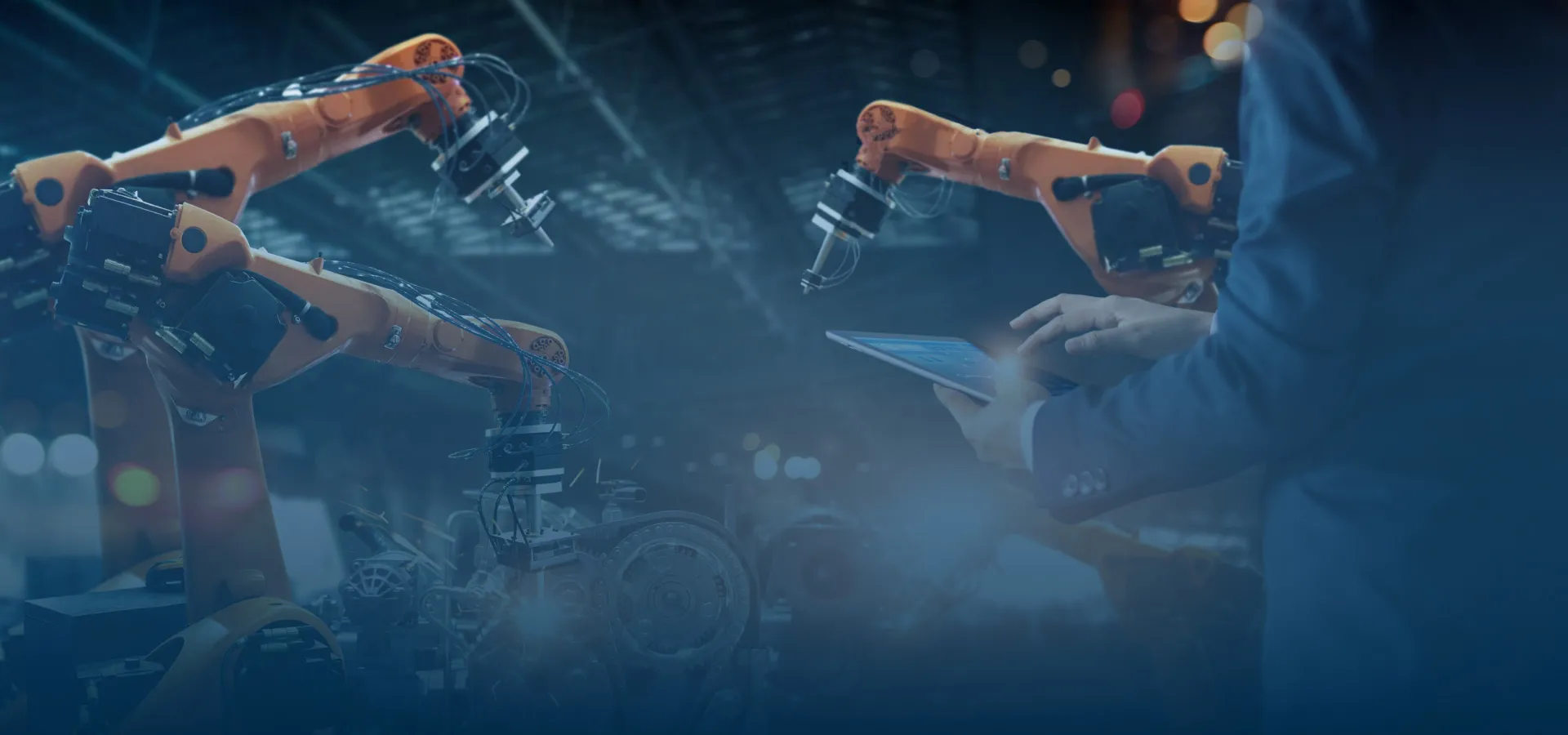
“The robot market will completely change in the next eight years,” says Philippe Bartissol, Vice President, Industrial Equipment, Dassault Systèmes. “Right now, the vast majority of robots are stationary, caged robots, which just move stuff from one spot to the other. But the improvement of connectivity and safety technologies means we’re increasingly seeing autonomous mobile robots (AMRs) on factory floors.”
He is optimistic about their applications. “These robots are a lot more powerful, and can perform many more tasks – they could ultimately completely transform manufacturing logistics. In the future we might have seven or eight times more AMRs than you have caged robots.”
3. Additive manufacture: For some time, 3D printing (or additive manufacture) was the preserve of hobbyists or highly specialized component developers. But increasingly manufacturers are waking up to its substantial industrial applications. The global 3D printing market size was valued at USD 13.84 billion in 2021 and is expected to expand at a CAGR of 20.8% from 2022 to 2030, according to Grand View Research.
This opens up tremendous opportunities for manufacturers. 3D printing enables the production of complex components, often involving moving parts, from a single piece of material. It has applications in everything from prototyping to machine tooling to medical devices, and can be a critical element in mass customization. It can even assist in the pursuit of sustainability goals, helping cut down on things like transport and minimizing the need for multiple factory processes.
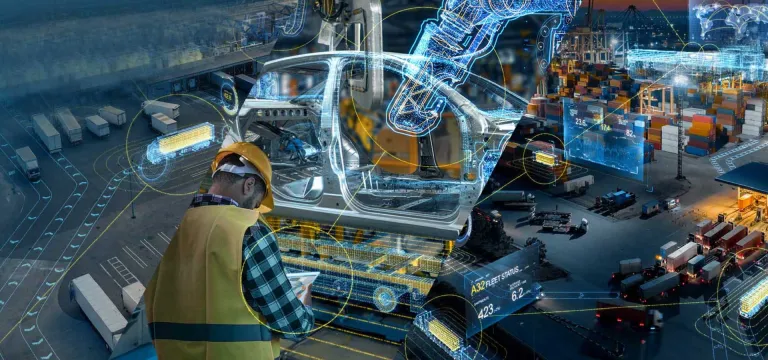
4. IoT: The growth of industrial IoT applications is helping to transform the factory floor, making manufacturing operations smarter and more efficient, while generating a huge amount of highly valuable data. This information enables the development and implementation of predictive maintenance techniques, as well as the ability to model more effective operational approaches.
“IoT allows you to quickly identify part numbers of malfunctioning components,” says Bartissol. “It sounds trivial, but failure to do this leads to a lot of time wasted because operators cannot precisely tell the OEM which one it is to get a replacement. Knowing the part numbers instantly allows operators to save an enormous amount of work time. And by improving the maintenance processes around capital equipment, you can also extend the life cycles of products and machinery.”