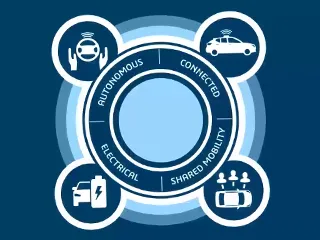
The ADAS system, which stands for Advanced Driver Assistance Systems, refers to a range of electronic systems and technologies in cars that are designed to improve driving safety and convenience with data. These systems use a combination of sensors, cameras, radar, and sometimes lidar, along with advanced software algorithms to detect and respond to potential hazards on the road. Key features of ADAS include:
- Adaptive Cruise Control (ACC): Automatically adjusts the vehicle's speed to maintain a safe distance from the car ahead.
- Lane Departure Warning (LDW) and Lane Keeping Assist (LKA): LDW alerts the driver if the vehicle begins to drift out of its lane without a turn signal, while LKA can actively steer the car back into the lane.
- Automatic Emergency Braking (AEB): Detects an impending forward crash with another vehicle in time to avoid or mitigate the crash.
- Blind Spot Detection: Alerts drivers to vehicles in their blind spots, especially during lane changes.
- Parking Assistance: Includes rear-view cameras and systems that can guide a car into a parking spot.
- Traffic Sign Recognition: Uses cameras to detect and read road signs and display them on the dashboard.
- Driver Monitoring Systems: Monitors driver behavior to detect signs of drowsiness or distraction.
- Cross Traffic Alert: Warns drivers of approaching traffic from the sides, particularly useful when backing out of a parking space.
ADAS is seen as a step towards fully autonomous vehicles, enhancing safety by reducing human error, which is a significant factor in most vehicle accidents. However, it's important for drivers to remain engaged and attentive, as these systems are designed to assist rather than replace human drivers.