Moving towards Model-Based approach for Zero-Emission Shipping
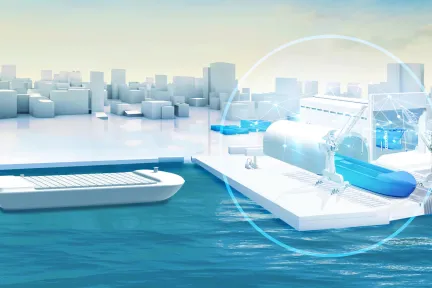
Ready to innovate for smarter and greener vessels? Advance towards decarbonization goals with a collaborative model-based approach and the virtual twin.
Article
Empower the marine ecosystem to innovate, collaborate, and optimize operations with advanced digital solutions tailored for classification societies, design offices, ship owners, and port authorities.
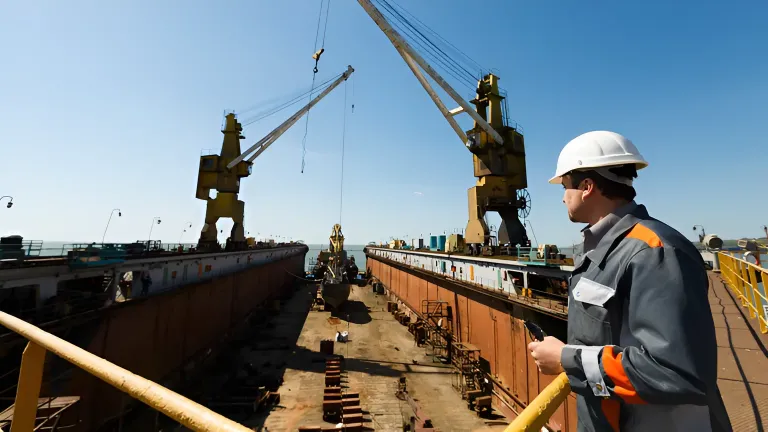
Innovating and transforming the shipbuilding industry involves more than just shipyards and their suppliers — it impacts the entire marine ecosystem, including classification societies, design offices, engineering services, ship operators and port authorities. By adopting advanced digital solutions for data management and simulation on collaborative platforms, marine specialists can streamline certification, accelerate design cycles, optimize fleet and port operations and ensure regulatory compliance. Digital transformation drives growth and competitiveness in a rapidly evolving industry by empowering every stakeholder in the marine ecosystem to enhance safety, efficiency and sustainability.
Classification societies play a vital role in maintaining safety and regulatory standards across the maritime industry. They must continuously adapt to evolving international regulations and emerging technologies, while managing complex certification processes for diverse vessel types.
Digital transformation enables automated compliance checks, centralized documentation and transparent collaboration. This paves the way for 3D approval, where digital models replace traditional drawings in the approval process. By leveraging advanced data management and simulation tools, societies can meet rigorous standards more efficiently, shorten certification timelines and support safer, more reliable marine operations.
Design offices are tasked with delivering innovative, compliant vessel designs while coordinating multidisciplinary teams and integrating advanced technologies. The increasing complexity of modern ships demands seamless collaboration between naval architects, engineers and suppliers.
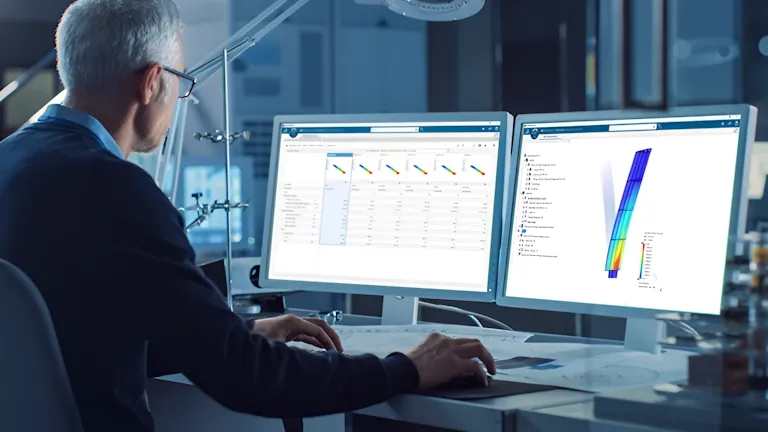
Digital platforms provide a unified environment for real-time design iteration, simulation and project management. This enables design offices to accelerate development cycles, ensure regulatory compliance and deliver high-quality, customized solutions on time and within budget — driving innovation and competitiveness in the rapidly evolving marine sector.
Ship owners and operators face an ongoing challenge to maximize fleet performance, minimize operational costs and extend vessel lifecycles. They must manage maintenance schedules, regulatory compliance and operational efficiency across diverse fleets.
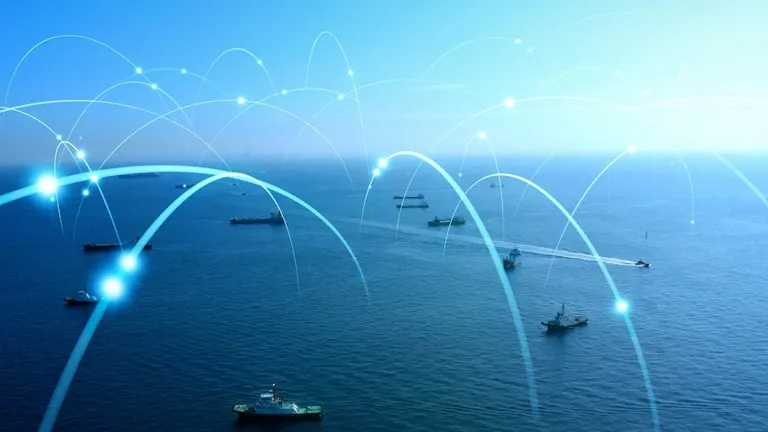
Advanced digital solutions offer predictive maintenance, real-time analytics and integrated fleet management tools, enabling data-driven decision-making. By optimizing asset utilization and reducing downtime, ship owners and operators can enhance profitability, ensure safety and respond swiftly to market and regulatory changes in the global maritime landscape.
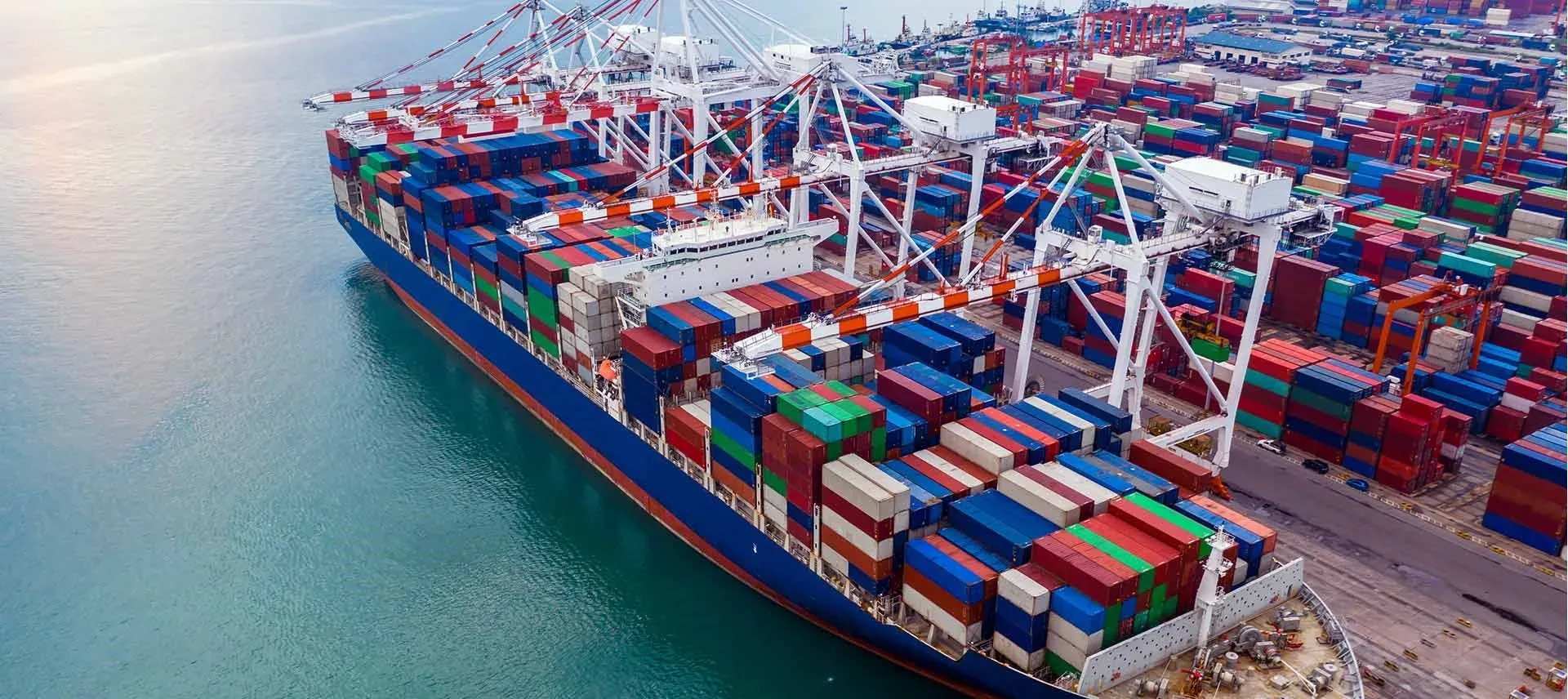
Port authorities are under increasing pressure to improve operational efficiency, manage growing traffic volumes and implement sustainable practices. They must coordinate logistics, ensure safety and comply with environmental regulations while supporting economic growth.
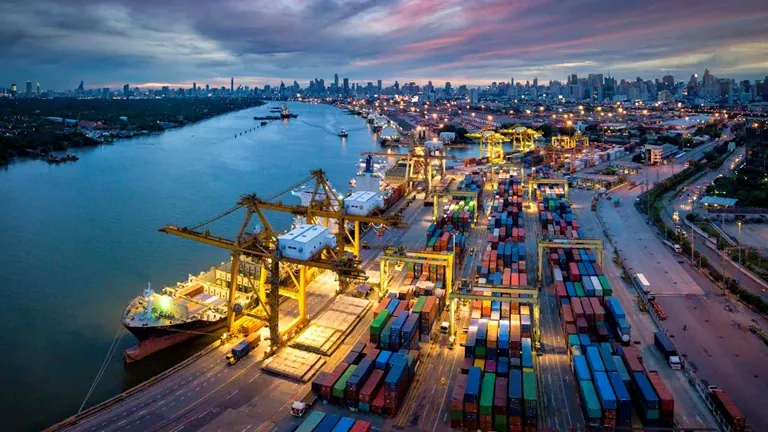
Digital transformation empowers port authorities with real-time data analytics, while automation and collaborative platforms support optimal port operations, reduce congestion and minimize environmental impacts. By embracing innovative technologies, port authorities can create smarter, greener ports that align with the maritime industry's and surrounding communities' evolving needs.
Sustainability is no longer an option — it’s a shared commitment shaping the future of the marine business ecosystem. With the International Maritime Organization (IMO) setting ambitious targets for 2050 that include reducing greenhouse gas emissions, classification societies, design offices, ship owners and port authorities are rethinking processes, materials and operations to minimize environmental impact.
Digital transformation accelerates this shift by enabling real-time tracking of emissions, smarter resource allocation and transparent reporting. By working together and embracing innovation, marine specialists can set new standards for sustainability and ensure a cleaner, more resilient maritime industry for generations to come.
Ready to innovate for smarter and greener vessels? Advance towards decarbonization goals with a collaborative model-based approach and the virtual twin.
Article
By breaking down barriers between modeling and simulation, MODSIM streamlines shipbuilding workflows. Discover how integrated digital solutions are transforming marine engineering.
Article
Manage, control and optimize shipbuilding processes – from engineering to manufacturing – and meet customer demands for time, cost and quality.
Article
Facilitate seamless communication and data sharing among classification societies, design offices, ship owners, operators or port authorities on a unified digital platform.
Enable faster regulatory compliance, certification and design validation with advanced simulation, data management and lifecycle assessment tools tailored for maritime specialists.
Leverage real-time analytics and virtual twins to optimize fleet, port and asset management while supporting sustainability goals and IMO 2050 targets.
Marine specialists can effectively tackle their challenges with Dassault Systèmes’ dedicated Marine & Offshore industry solution experiences powered by the 3DEXPERIENCE® platform.